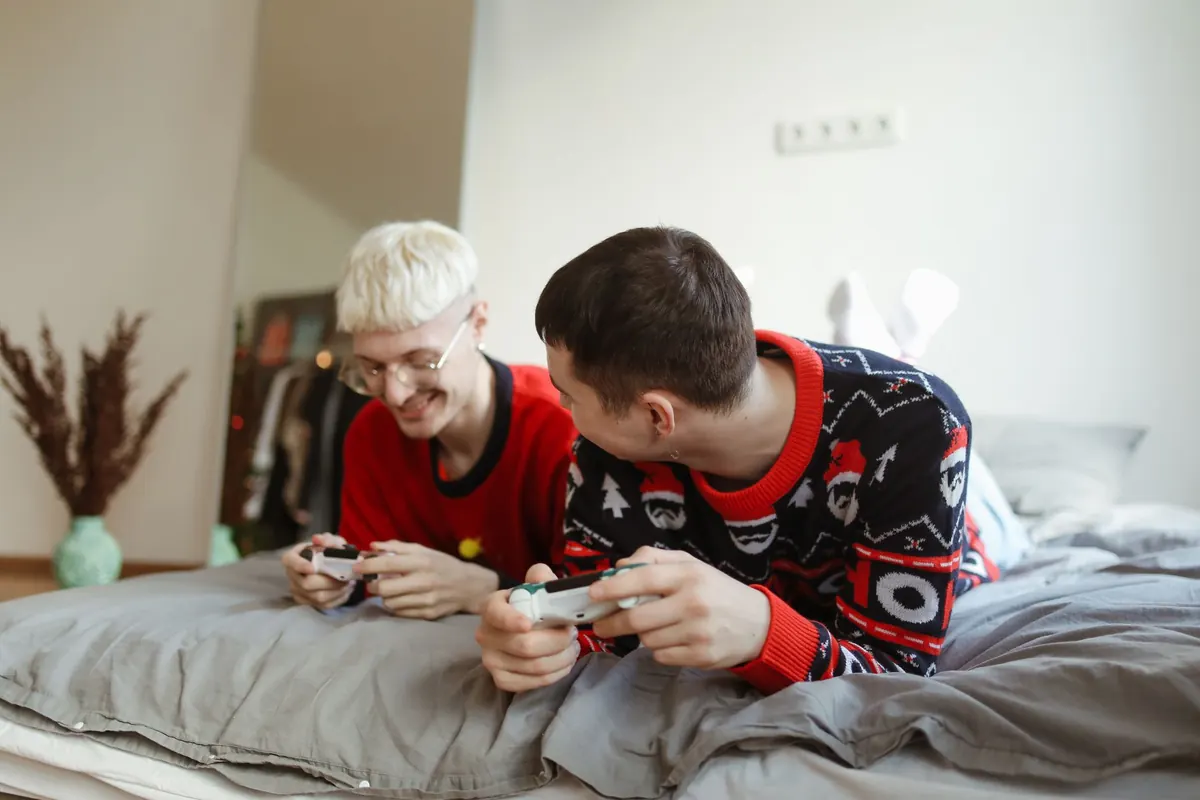
Picture the first meeting: eight people, a tangle of extension cords, and one student who has already beaten everyone twice. It works, but only because someone remembered to book the room. Starting an esports club at a school or community center is mostly that second part — the room, the schedule, the rules nobody notices until they are needed. The games are the easy bit. What follows is a practical order of operations, from the first conversation with a staff member to a casual tournament that ends on time.
Start With an Adult Ally and a One-Page Charter
Before you print a single flyer, find the adult who will sign the forms. Most schools require a faculty advisor for any student organization, and community centers usually want a staff member attached to a recurring booking. That person is not decoration. They hold the keys, they know who to call when the wifi drops, and they are the one who will still be there after you graduate.
Ask them two questions early: what does the approval process look like, and what are the rules about games on the building's network? School networks often block game traffic or require devices to be registered. Better to find that out in September than in front of twenty expectant players.
Then write a one-page charter. Keep it plain: what the club is for, when it meets, who can join, and who is responsible for what. Something like "a place to play casually on Fridays and to field a team for regional tournaments" is enough. A written purpose settles arguments before they start, and it makes the advisor's job — and yours — much easier when someone asks why the club exists.
Recruit for Roles, Not Just Rank
The fastest way to build a club that dies is to recruit only the best players. You want a bracket organizer, someone who enjoys spreadsheets, someone who can run a social account without posting anything embarrassing, and someone who will arrive early to set up tables. Skills like that are rarer than a good aim rating.
Look in the obvious places — the noticeboard, morning announcements, the community center's front desk — and the less obvious ones. The chess club, the coding club, and the AV crew are full of people who like systems. Say yes to the player who only plays cozy games, because they will still show up in February when the competitive roster is nursing a losing streak.
On outreach, be specific about what the club is not. It is not a competitive squad with tryouts, at least not yet. It is a weekly room with working internet where you can play with people in the same building. That framing brings in more people than any poster.
Equipment: Buy Less Than You Think
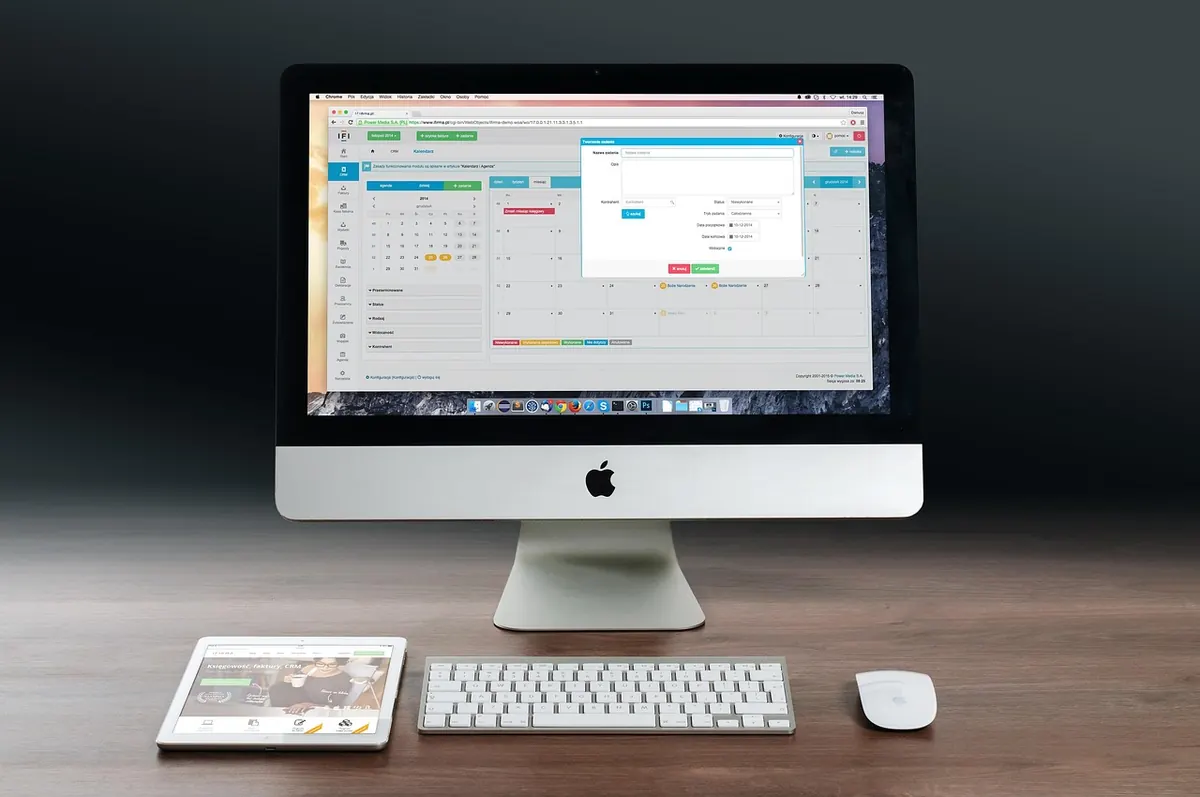
Start with what members already own. Most people have a laptop or a console, and asking them to bring it is not a big favor. The club's budget is better spent on the things nobody owns: a good power setup, spare controllers, and something to lock it all in.
Here is a sensible checklist for the space itself:
- Network: wired connections where possible, and a conversation with IT or the facilities staff about what will and will not work.
- Power: surge-protected strips and enough length to reach the tables. Ask a staff member to confirm the room's circuits can handle the load before you plug in twenty devices.
- Furniture: tables at a workable height and chairs that can be sat in for two hours. Chairs matter more than monitors.
- Audio: headsets rather than speakers. It keeps the room bearable and avoids one player's game audio becoming everyone's problem.
- Storage: a lockable cupboard, plus labels on every cable and controller.
If money is tight, small membership dues, a bake sale, or a local business sponsor can cover cables and snacks. Handle cash carefully: keep receipts, log everything in a shared sheet, and have two people count the takings. If the club's funds grow beyond pocket money, ask the school or center how they want it managed — and take financial advice from someone qualified if anything gets complicated.
Also ask your advisor about liability and insurance for equipment brought from home. This is the sort of question institutions answer every year, and it is much easier to ask upfront.
Write the Rules Before You Need Them
A code of conduct written in week one is a boring document that saves you a difficult conversation in week nine. Keep it short and concrete.
- Behaviour: trash talk stays inside the game and stays mild. Harassment, slurs, or targeting a player outside the match is a straight conversation with the advisor.
- Titles: agree on an age-appropriate list. If members are under the recommended age for a game, that game does not run at club.
- Attendance: sign in at the door, sign out when you leave. It protects the club if anything goes missing.
- Time: a hard start and a hard stop, with a five-minute warning before the end.
- Space: a clean-up rotation, posted on the wall. Everyone takes a turn.
Build in breaks. Two hours of solid play is a long time to sit still, and a club that normalizes standing up, drinking water, and resetting posture will have fewer complaints from parents and staff. If anyone mentions wrist pain or headaches, treat it as a reason to stop and rest, and suggest they speak to a health professional if it continues.
Have a ladder of consequences ready: a warning, a short break from play, then a conversation with the advisor. Applied consistently, it means nobody has to improvise discipline mid-tournament.
The First Event Should Be Small and a Little Boring
Resist the bracket with thirty-two entrants. A four-team round robin that finishes on schedule teaches you more than a chaotic showpiece, and it leaves people wanting another one. Pick titles with short matches so the schedule does not collapse, and publish the format a week in advance.
On the day: test the setup the afternoon before, assign one person to run the bracket, one to handle tech, and one to greet newcomers at the door. Keep a casual game running on a spare machine for anyone waiting or eliminated. When it ends, ask two questions in a short form — what worked, and what should change — and actually read the answers.
Making It Last Past the First Semester
Clubs survive on rhythm. A fixed weekly slot, on the same day, in the same room, posted on a shared calendar, does more than any amount of enthusiasm. Avoid exam weeks and holidays when you set the term's dates, and tell members the schedule early so they can plan around it.
Share the work. Rotate the setup crew. Give the social account to two people so it does not go quiet when one of them gets busy. Keep a running document with room bookings, logins, contacts, and lessons learned, because whoever takes over from you should not have to rediscover that the second-floor socket trips the breaker.
Once the casual night runs smoothly, add one thing at a time: a friendly scrim against a club from a nearby school, a replay review session, or a second weekly slot for the competitive team. One addition per term is plenty.
Your First Two Weeks, in Order
Ask a staff member to sponsor the club and explain the approval process. Draft the one-page charter. Confirm what the network allows and book a room for a fixed weekly slot. Recruit three people into named roles. Write the rules and post them. Then announce a single casual session and keep it small.
That is the whole trick. Not a brand, not a jersey, not a sponsorship deal — a room, a schedule, and a handful of people who show up. Get those right and the rest follows in its own time.
Photo: aymanfakhry1999 / Pixabay